
Insights
Designing for longevity instead of replacement
We spend a lot of time designing how an interior begins. Perhaps we should spend more time thinking about how it will age.


Marine interiors experience fluctuating humidity and temperature variation as well as prolonged UV exposure. Materials must maintain performance and appearance under these constraints.
Ambla faux leathers are formulated to support dimensional stability and surface performance within interior marine settings. Fire performance, durability and dimensional stability are verified through structured in-house testing and supported by accredited third-party certification where required.
Documentation and batch traceability support specification control across vessel builds and refit programmes.


Marine applications place continuous demands on upholstery through passenger use, cleaning routines and environmental variation.
Ambla faux leathers are developed to:
The result is a material that performs reliably across marine interior service cycles.

Ambla materials are suitable for a range of marine interior applications, including:
Where required, bespoke colour matching, embossing and formulation adjustments can be developed in collaboration with our technical team.

Marine materials must deliver consistent performance over extended service intervals.
Ambla’s durability-led approach supports longer use cycles, reducing replacement frequency and associated maintenance requirements. Alongside this, we continue to refine formulations and production practices through ongoing development at our Lancashire site.
We prioritise measurable progress over broad claims.

Manufactured in Lancashire, Ambla faux leathers are produced with controlled formulations and embossing, ensuring consistent performance in fluctuating onboard conditions.

Automotive applications demand verified abrasion resistance, flame performance and durability. Materials are tested in-house and supported by accredited external certification where required.

Stockholding and dispatch are managed directly from our Lancashire site, supporting defined lead times and consistent batch control across vessel refits and phased programmes.
Thoughtful perspectives on materials, environments and the standards that define them. Where material knowledge meets real-world application across the sectors we serve.
We spend a lot of time designing how an interior begins. Perhaps we should spend more time thinking about how it will age.

Cleanability has a direct bearing on how well a material performs, looks and lasts in use. Considering it early can prevent maintenance becoming a compromise later.

A material can look right on a mood board and still potentially fall short in the finished space. The challenge is carrying the qualities that made it right - its colour, texture, finish and performance - all the way from first sample to final installation.

When every surface can have its own colour, texture and finish, knowing what to leave out becomes a design decision in itself. We look at the role material restraint can play in creating interiors that feel coherent, purposeful and resolved.
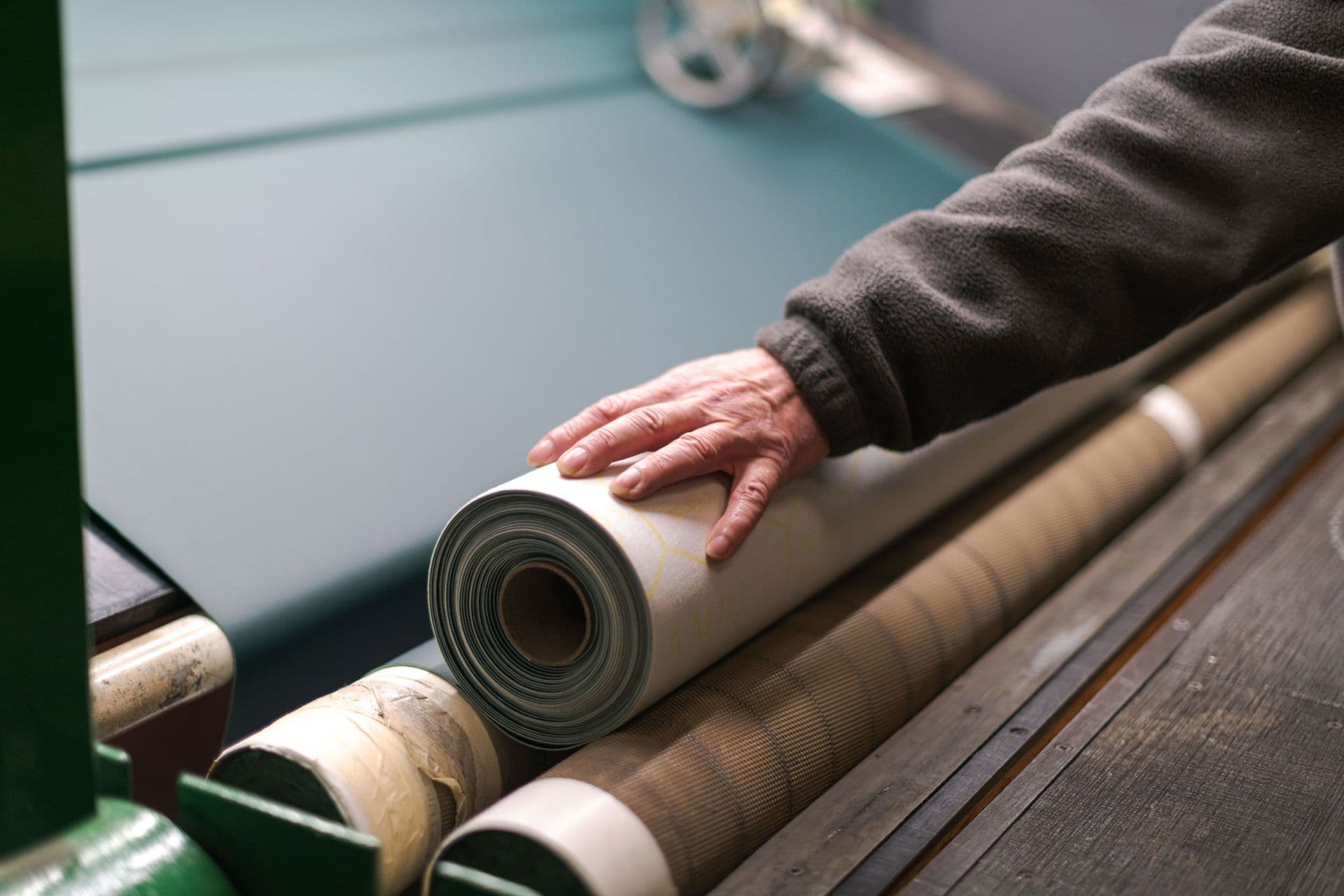
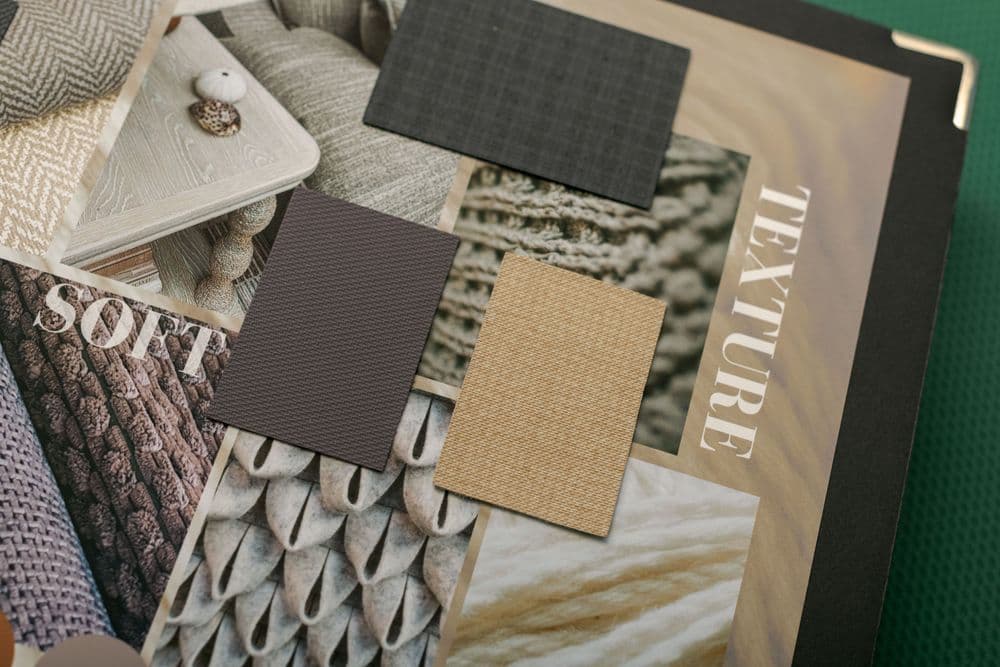
Material development begins with considered colour, texture and finish, aligned with performance requirements and real-world application.
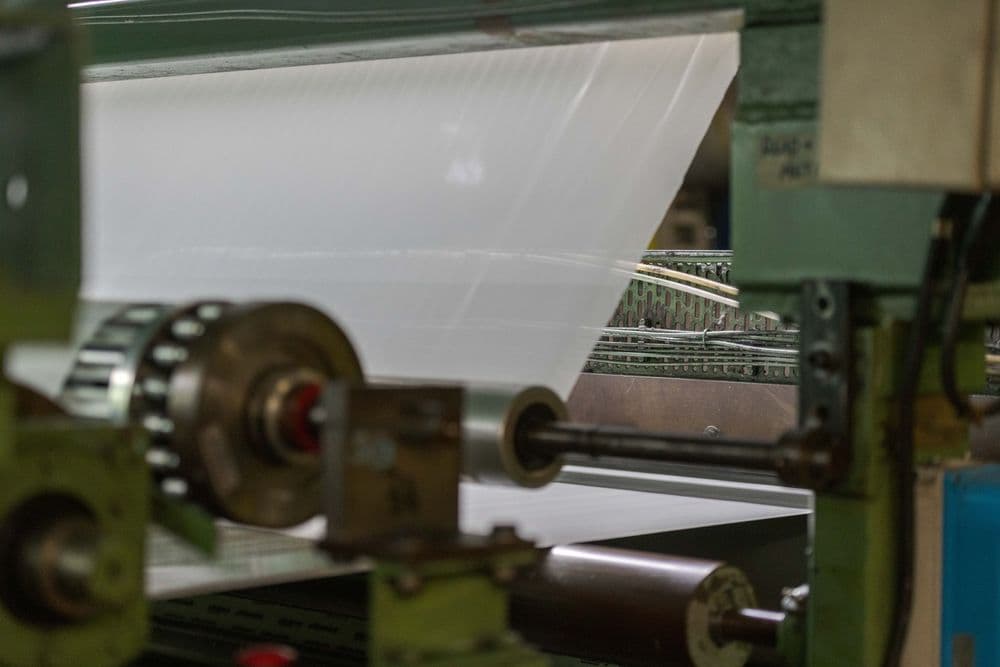
Manufactured in-house using controlled coating, embossing and finishing processes to ensure batch consistency and repeatable quality.
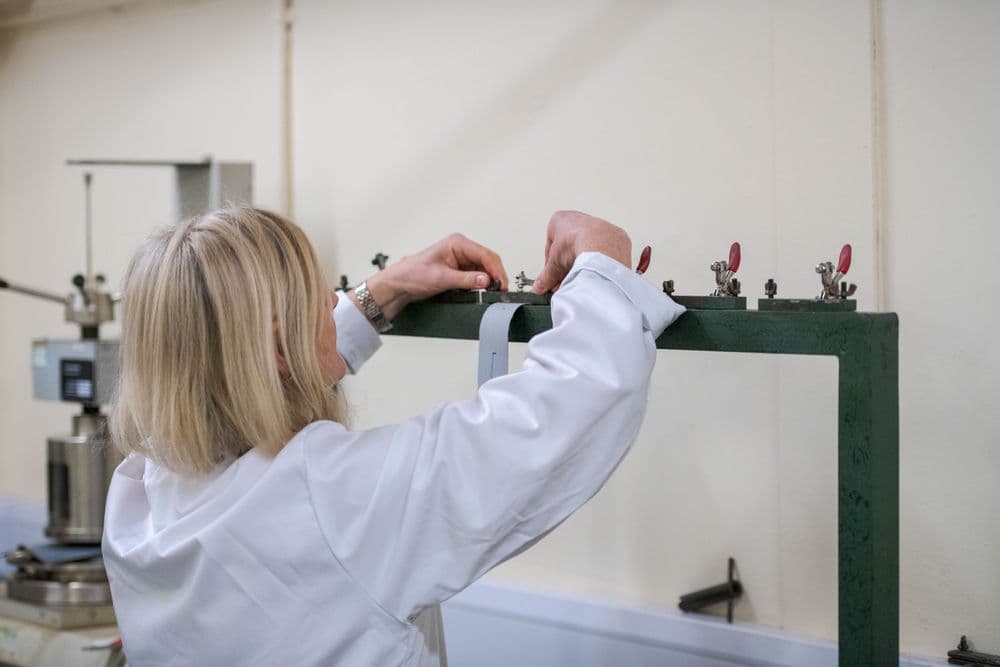
Performance is verified through structured in-house testing, supported by accredited external certification where required.
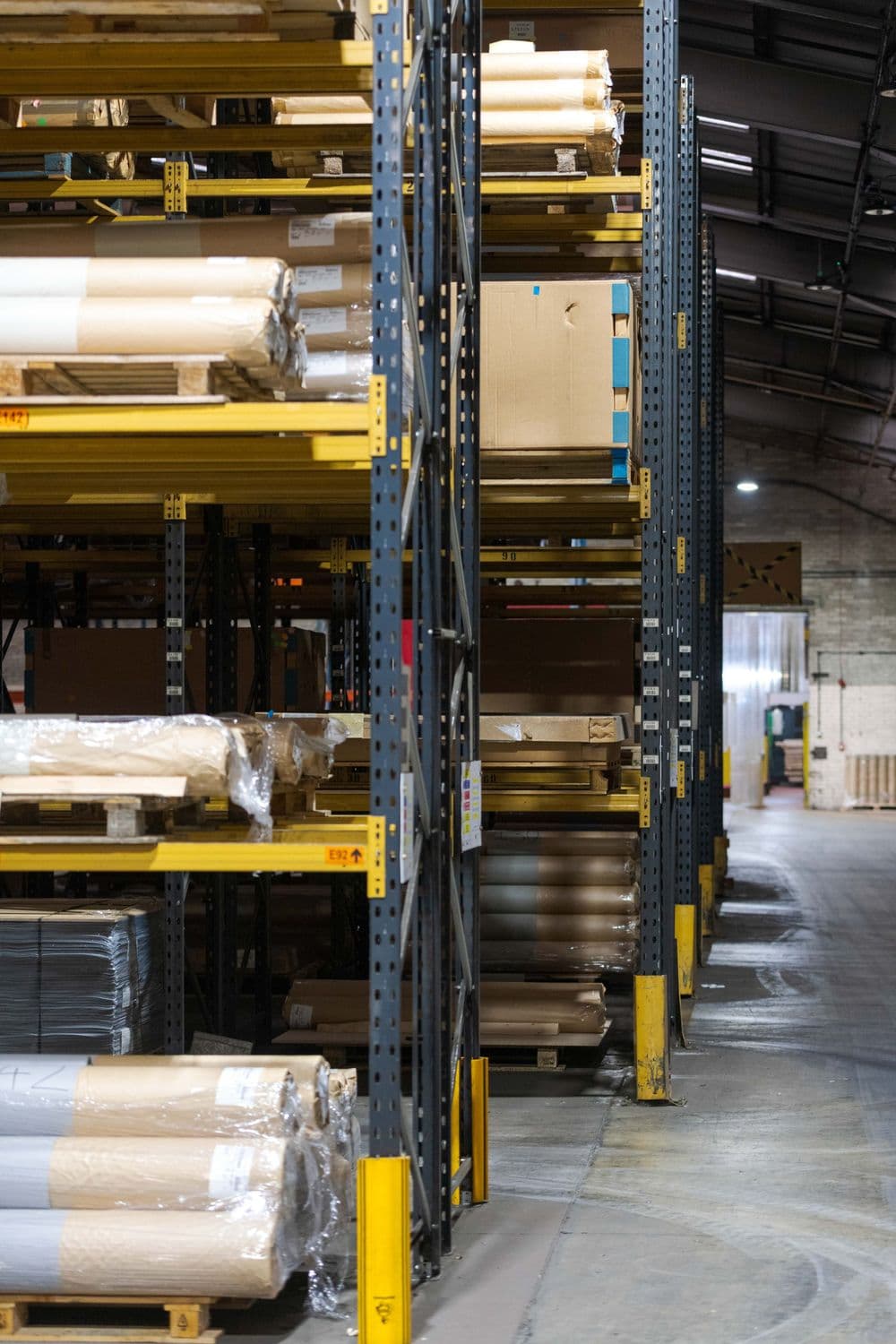
Stockholding and dispatch are managed directly from our Lancashire site, providing clear lead times and dependable supply.